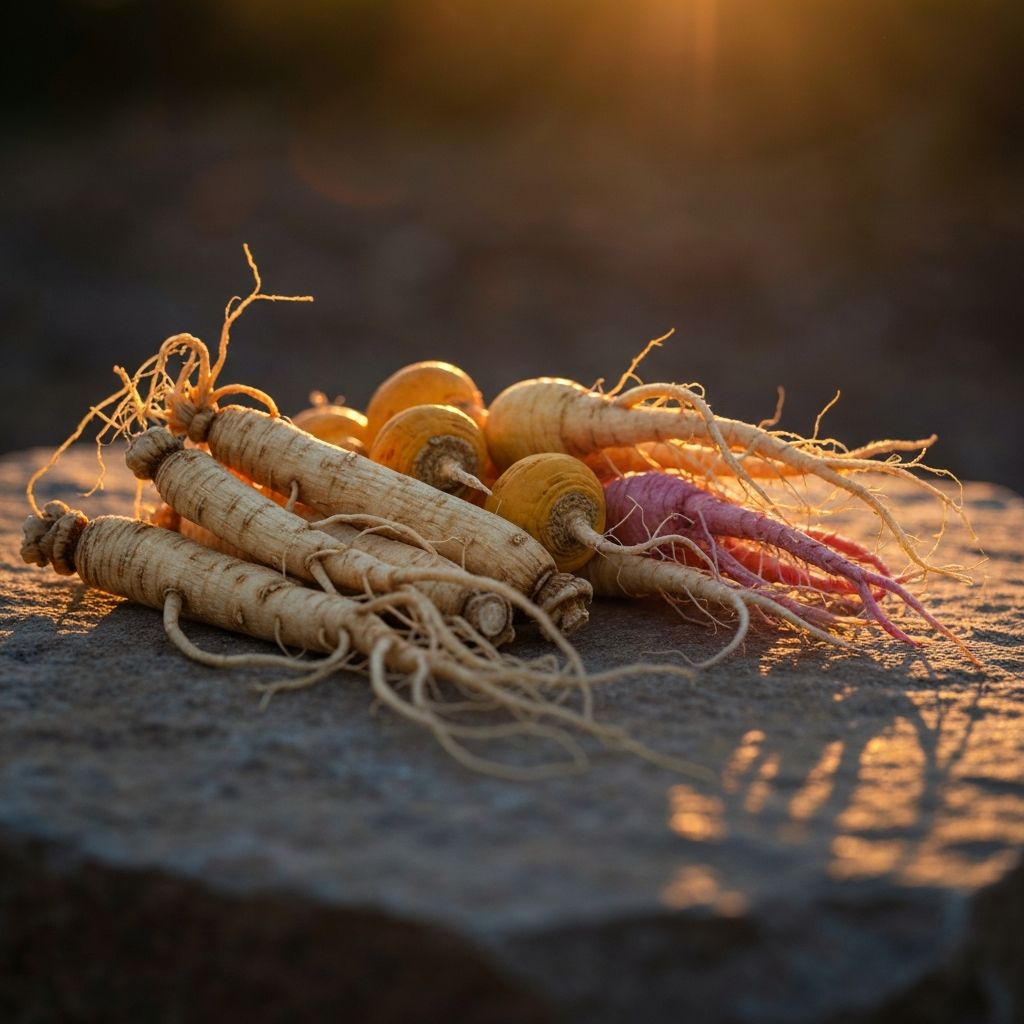
Traditional Root Heritage
Exploring Panax ginseng and Lepidium meyenii through history and culture
Panax Ginseng: Botanical Profile
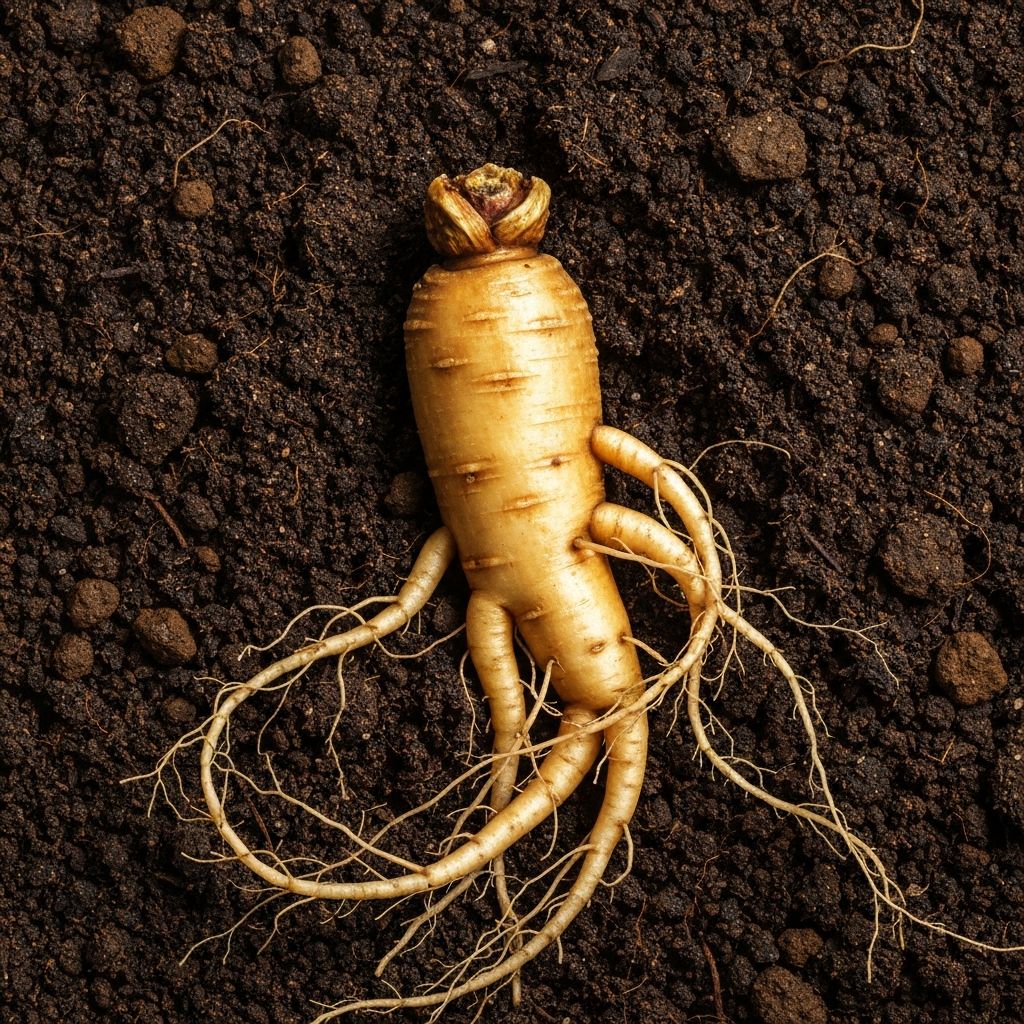
Panax ginseng, commonly known simply as ginseng, represents one of the most renowned botanical specimens in East Asian herbal traditions. This perennial plant, native to cool mountainous regions of Manchuria, Korea, and eastern Siberia, has been documented in traditional practices for over four thousand years.
The root itself is the valued component, characterized by a distinctive forked structure and a warm, cream-colored exterior. Botanically classified within the Araliaceae family, Panax ginseng thrives in shaded, moist forest environments where it develops slowly—a single mature root may require seven to fifteen years to reach harvestable size.
The name "Panax" derives from Greek origins, meaning "all-healing," reflecting its historical prominence in traditional wellness practices across East Asia, particularly in Korea, China, and regions of Southeast Asia.
Lepidium Meyenii: Root Overview
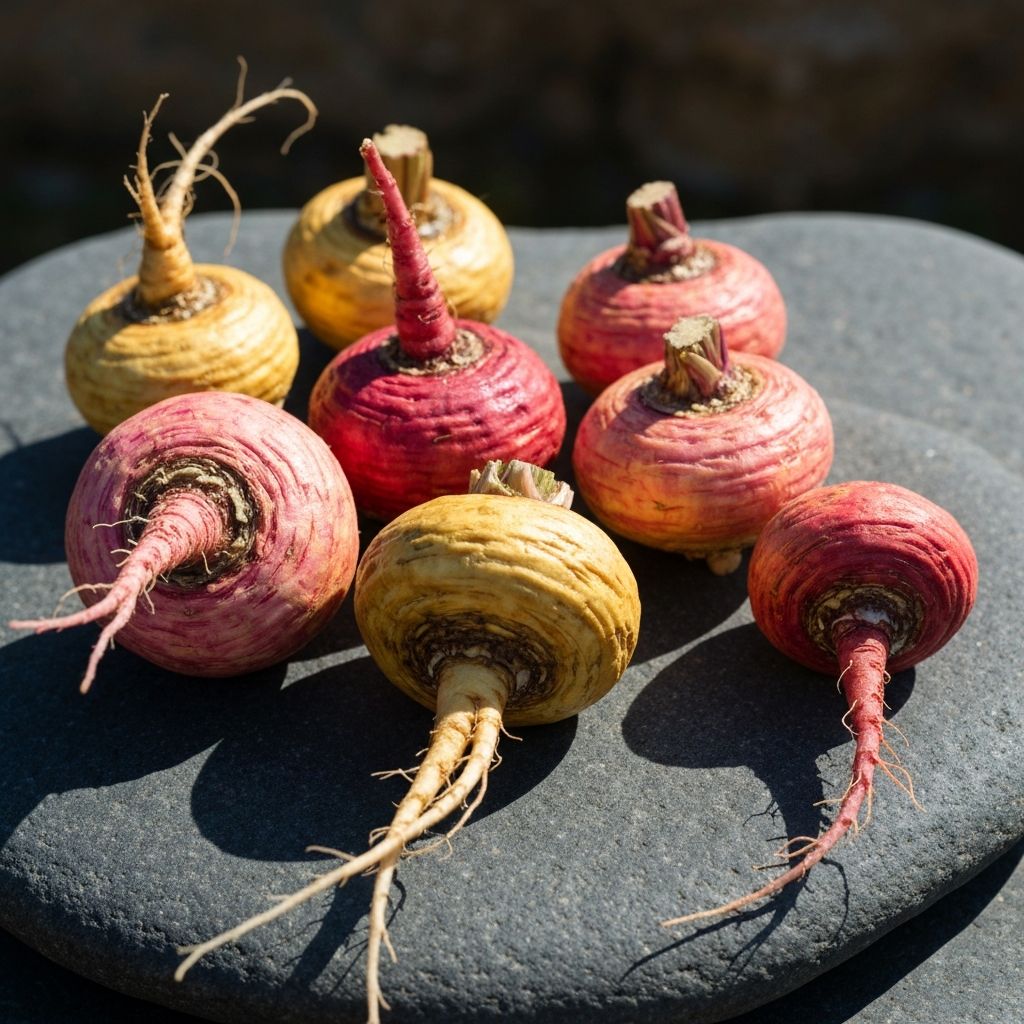
Lepidium meyenii, commonly referred to as maca, is a hardy root vegetable native to the high Andean plateaus of Peru and Bolivia. Growing at altitudes between 7,000 and 13,000 feet above sea level, maca has adapted to one of Earth's most demanding climates.
The root itself exhibits remarkable color variation—from creamy white and pale yellow to dark purple and black—all within a single crop. This chromatic diversity reflects the plant's genetic diversity and has long captured the attention of Andean communities who have incorporated maca into their daily agricultural and culinary practices for centuries.
Historically, maca served multiple roles in Andean cultures: as a staple food source, a gift in ceremonial contexts, and a component of traditional nutritional preparations. The plant's resilience in harsh mountain conditions has made it a symbol of endurance and adaptation in Andean heritage.
Traditional Root Preparation Methods
Throughout history, Panax ginseng and Lepidium meyenii have been prepared using methods developed over centuries of practical experience. These traditional approaches reflect deep cultural knowledge about extracting and utilizing the characteristics of these roots.
Powdering
The most direct preparation involves drying the root thoroughly and grinding it into a fine powder. This method preserves the integrity of the root material and allows for flexible incorporation into daily practices. Traditional grinding stones and wooden mortars were the primary tools for this process.
Decoctions
A decoction involves simmering dried root material in water for an extended period—typically twenty to thirty minutes or longer. This gentle extraction method was widely used in East Asian households and created a liquid preparation that could be consumed warm, reflecting the traditional belief in the importance of warmth in wellness practices.
Infusions and Teas
Steeping dried root pieces or powdered material in hot water creates an infusion. This lighter preparation method is more convenient for daily consumption and was particularly common in regions where these roots became integrated into regular dietary habits.
Incorporation into Food
Both ginseng and maca have been traditionally added to soups, broths, rice dishes, and other prepared foods. This culinary integration allowed for regular consumption within the context of ordinary meals rather than as distinct remedial preparations.
Phytochemical Classes Overview
Scientific analysis has identified distinct chemical compounds within these traditional roots, contributing to understanding their composition and structure.
Ginsenosides in Panax Ginseng
Panax ginseng contains a class of compounds called ginsenosides, which are triterpene glycosides. More than forty distinct ginsenosides have been identified and catalogued, including Rb1, Rg1, and Re, among many others. The relative proportion of these compounds varies depending on the plant's age, growing conditions, and processing methods.
Macamides, Macaenes, and Glucosinolates in Lepidium Meyenii
Maca root contains fatty acid amides known as macamides and alkene derivatives called macaenes, which are unique to this plant. Additionally, maca contains glucosinolates—sulfur-containing compounds also found in cruciferous vegetables like broccoli and cabbage. These compounds contribute to the root's distinctive chemical profile.
The presence of these various phytochemical classes has been the subject of scientific investigation, with researchers documenting their structures and compositions through chromatographic and spectroscopic methods.
Cultural Exchange and European Influence
The journey of Panax ginseng and Lepidium meyenii from their native regions to European awareness represents a fascinating chapter in global cultural exchange and the history of botanical knowledge transmission.
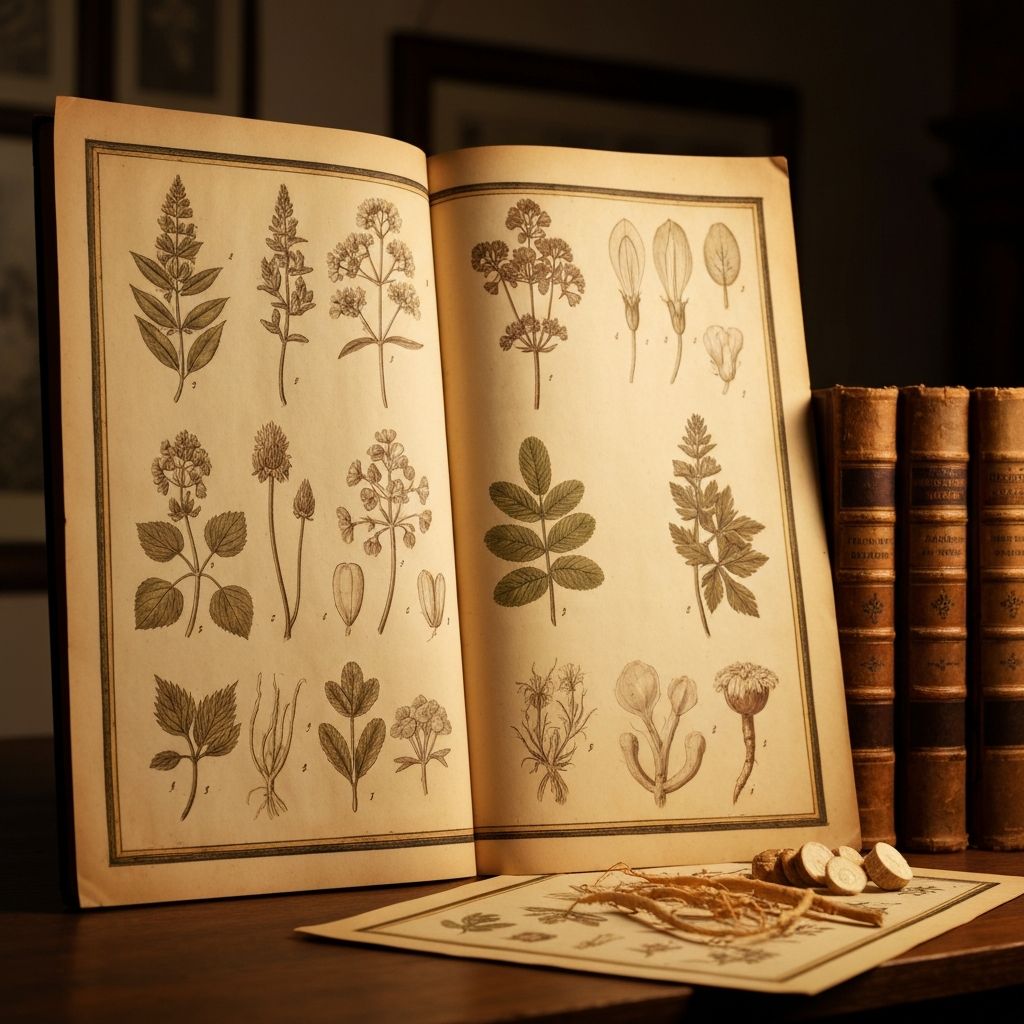
Ginseng reached European consciousness through the Silk Road trade routes and later through direct trade with East Asian regions. By the 17th century, ginseng had become a valued commodity in European markets, with references appearing in herbals and botanical texts of the period. Polish and Central European merchants played significant roles in this trade, establishing routes that brought knowledge of ginseng to the region.
Maca's path to Europe followed the Spanish conquest of the Americas, reaching European shores through colonial trade networks in the 16th and 17th centuries. However, maca's integration into European consciousness occurred more gradually than ginseng's, remaining largely unknown in Central Europe until the 20th century.
This historical context demonstrates how traditional knowledge about plants has historically spread through networks of trade, exploration, and cultural contact, gradually becoming incorporated into the broader European understanding of botanical diversity.
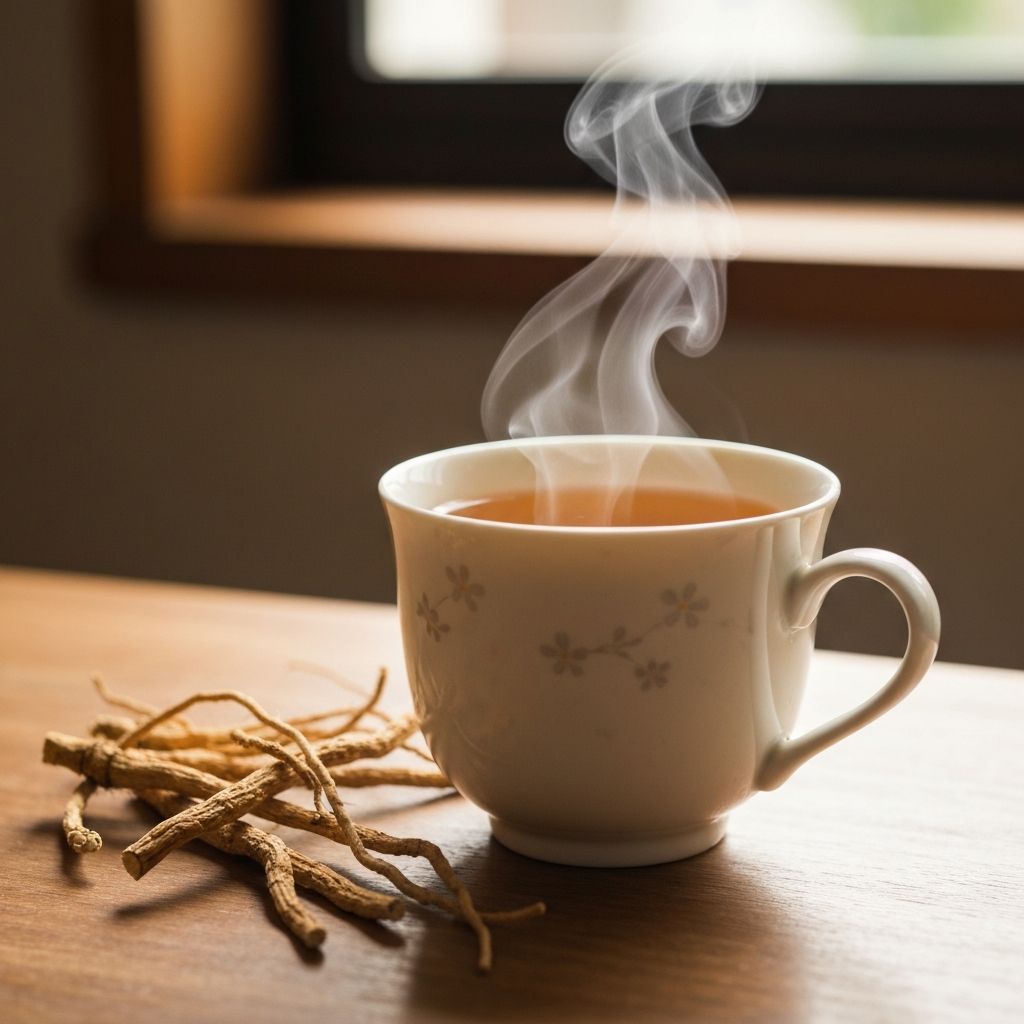
Root Use in Daily Wellness Traditions
Across traditional cultures, these roots have occupied a unique position within daily life and wellness practices. Rather than being reserved for crisis intervention, they were integrated into regular routines as components of sustained, everyday wellness awareness.
In traditional East Asian philosophy, regular consumption of ginseng was viewed as supporting overall harmony and balance—concepts central to health frameworks in these regions. The root was thought to contribute to general vitality and sustained functional capacity, integrated into daily consumption as part of a holistic approach to wellbeing.
Similarly, in Andean cultures, maca occupied a place of significance in daily rituals and nutritional practices. Its incorporation into meals reflected a cultural understanding of food as intimately connected with overall physical and mental readiness, particularly for the demands of life in high-altitude environments.
The presence of these roots in traditional daily practices demonstrates a long-standing cultural recognition of the connection between botanical knowledge, nutritional awareness, and general life quality—a recognition that existed long before modern nutritional science developed systematic frameworks for understanding these relationships.
Wellness Awareness and Balance
Diaphragmatic Breathing for Awareness
Simple breathing practices have long been integrated into daily wellness routines across cultures. Diaphragmatic breathing—also called belly breathing—involves conscious awareness of breath depth and rhythm.
Basic practice: Sit comfortably with an upright posture. Inhale slowly through the nose for a count of four, allowing the abdomen to expand. Hold the breath gently for a count of four, then exhale through the mouth for a count of four. Repeat this cycle five to ten times.
This simple technique, documented in traditional practices from yoga to Chinese Daoist traditions, supports conscious awareness of the present moment and may contribute to stress management through the natural relationship between breathing patterns and nervous system regulation.

Brief Body Relaxation Techniques

Progressive muscle relaxation involves systematically becoming aware of tension in different body regions and consciously releasing that tension. This practice supports general awareness of bodily sensations and may contribute to stress management.
Simple approach: Beginning with the feet and moving upward through the body, gently tense each muscle group for a count of five, then release and notice the sensation of relaxation. The practice takes approximately ten to fifteen minutes and can be conducted in any quiet setting.
This technique, with roots in both Eastern meditation practices and Western therapeutic approaches, provides a structured method for cultivating body awareness and relaxation as components of daily wellness routines.
Perspectives on Root Diversity in Lifestyle
The integration of diverse botanical resources into daily life reflects a broad philosophical approach to wellness found across many traditional cultures. Rather than reliance on single substances, these traditions characteristically emphasize variety and balance.
Both Panax ginseng and Lepidium meyenii exist within broader botanical contexts—complemented by other roots, herbs, spices, and food components in traditional practices. This diversity of approach suggests that sustained wellness results from multiple contributing factors: nutritional awareness, movement practices, stress management, and environmental awareness, among others.
Modern interest in traditional practices often focuses on individual components, yet the original cultural contexts typically emphasized systemic balance and integrated approaches. Understanding these roots within their full traditional contexts requires recognizing this broader framework of wellness understanding that values diversity, balance, and long-term sustainability of practices.
Contextual Limitations Notice
Educational Content Only. All information presented on this site is educational in nature and is intended solely to provide neutral, factual information about traditional root plants and their historical uses. This content does not constitute medical, nutritional, therapeutic, or professional health advice.
No Individualized Recommendations. The information presented does not offer personalized guidance, recommendations for specific conditions, or suggestions for individual health decisions. Different individuals may approach wellness practices in diverse ways, and personal health decisions should always be informed by consultation with qualified healthcare providers.
Not a Substitute for Professional Guidance. Nothing on this site replaces professional medical consultation, diagnosis, treatment, or the advice of qualified healthcare practitioners. All individuals should consult with appropriate healthcare professionals regarding personal health matters before making any changes to their wellness routines.
Educational Content Only. No promises of outcomes.